832 858 6909
 contact@lonestargl.com




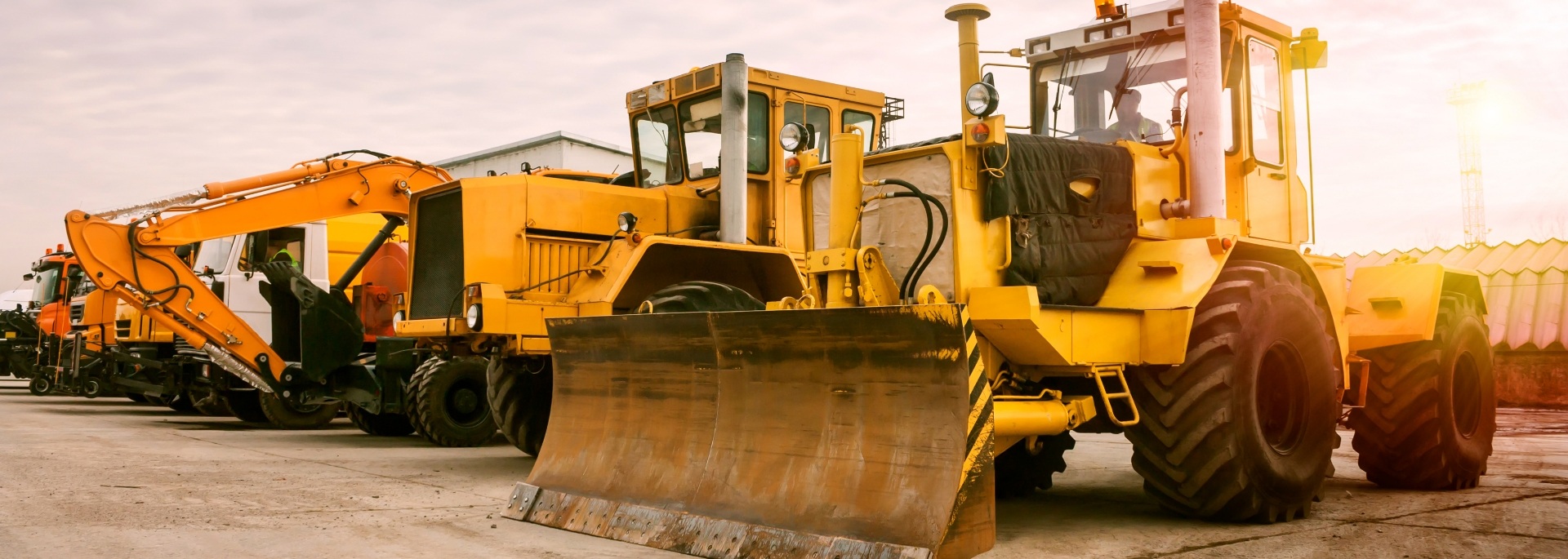
In the fast-paced construction industry, heavy machinery operates under relentless stress. From 40-ton excavators trenching through rocky clay to high-capacity mobile cranes lifting structural steel, mechanical components run hot, heavy, and non-stop.
Yet, the difference between a high-performing project and a multi-thousand-dollar unscheduled shutdown often boils down to a microscopic layer of protection: industrial grease.
Industry studies reveal that over 50% of bearing and pin failures stem directly from improper lubrication—whether through contamination, lubricant starvation, or using the wrong formulation. For fleet managers and project superintendents, high-performance industrial grease is not merely a consumable; it is insurance against catastrophic mechanical failure.
1. The Real Cost of Environmental Stress on Construction Equipment
Construction job sites present the ultimate torture test for rotating and sliding metal assemblies. Heavy machinery faces constant exposure to:
- Particulate Infiltration: Airborne silica, rock dust, and gritty soil quickly turn into an abrasive grinding paste if they penetrate unsealed seals or joints.
- Water Washout & Corrosion: Heavy rain, mud crossings, and pressure washing strip away sub-par lubricants, leaving exposed bare steel susceptible to rust and pitting.
- Shock Loading: Hammering, digging, and sudden impacts generate extreme shock loads that can squeeze standard lubricants completely out of contact surfaces.
How Industrial Grease Protects:
Unlike liquid oils, high-tack greases act as an active physical seal. By creating an impenetrable barrier around sleeve bushings, kingpins, and spherical bearings, the grease keeps contaminants locked out and fresh lubricant locked in.
2. Slashing Downtime: Performance, Lifespan, and Fuel Economy
When friction goes unchecked, surface-to-surface micro-welding occurs, producing heat spikes and accelerated wear. High-performance greases formulated with Extreme Pressure (EP) additives and solid boundary lubricants (such as Molybdenum Disulfide / Moly) deliver immediate operational gains:
- Extended Component Life: Dramatically reduces pin-and-bushing slop and prevents costly track roller replacements.
- Optimized Fuel Consumption: Lower mechanical resistance across articulated joints means engines require less hydraulic and mechanical energy to perform heavy cycles.
- Longer Regreasing Intervals: Advanced shear-stable formulations hold their consistency over longer run hours, cutting down on manual service intervals.
3. Worker Safety and Mechanical Reliability
Mechanical failures in heavy equipment aren’t just expensive—they are dangerous. A seized pivot pin, a snapped boom sleeve, or a frozen turntable bearing can cause catastrophic structural instability or dropped loads on an active site.
Using high-spec industrial grease ensures predictable machine behavior, dampens unwanted harmonic vibration, and keeps safety-critical mechanisms responding smoothly under load.
4. Selecting the Right Grease: Formulation Breakdown
Modern Tier 4 and electric-over-hydraulic machinery demand specific grease chemistries. Using a standard multi-purpose automotive grease in heavy earthmoving machinery will lead to rapid breakdown.
Here is how common industrial thickener types compare for construction duty:
| Thickener Type | Water Washout Resistance | Shock Load / EP Rating | High-Temp Stability | Best Construction Applications |
| Lithium Complex | Good | High (with EP additives) | Very Good (~160°C / 320°F) | General chassis, bucket pins, wheel bearings |
| Calcium Sulfonate | Exceptional | Outstanding (Natural EP) | Excellent (>200°C / 400°F) | Wet terrain, marine construction, high-washout zones |
| Polyurea | Moderate to Good | Very Good | Outstanding (>180°C / 350°F) | Electric motors, sealed-for-life bearings |
| Synthetic + Moly (3–5%) | High | Maximum Shock Resistance | Broad Temp Range (-40°C to +200°C) | Breakers, heavy excavators, extreme arctic or desert duty |
5. Partner with Lone Star Grease and Lubricants
The best grease is only as effective as the engineering behind it and the consistency with which it is applied.
At Lone Star Grease and Lubricants, we partner directly with contractors, fleet directors, and equipment maintenance managers to match OEM requirements with severe-duty grease formulations that withstand the toughest field environments.
Ready to extend equipment life and cut maintenance costs?
Contact the Lone Star Lubrication Team today to schedule an on-site fleet lubrication audit or explore our line of heavy-duty industrial greases.