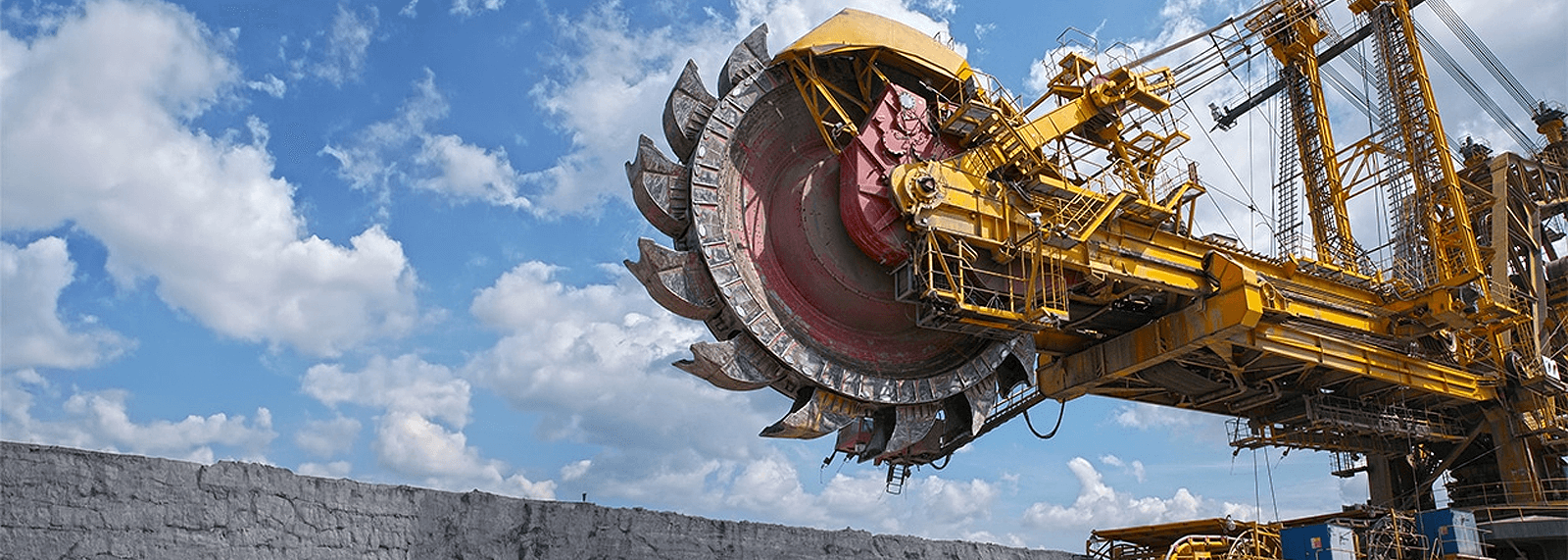
At the core of mining and hydraulic fracturing—two of the harshest industrial operating environments on earth—reliability depends on a component that rarely makes headlines: heavy-duty industrial grease.
Far from a routine lubricant, industrial grease serves as a mechanical seal, a thermal barrier, and a primary defense against catastrophic equipment failure. When draglines, haul trucks, blender units, and frac pumps operate under continuous vibration and multi-ton shock loads, selecting the right grease chemistry is the difference between peak throughput and millions in unscheduled downtime.
Why Heavy Equipment Demands Grease Over Fluid Lubricants
While fluid lubricants circulate effectively in sealed, high-speed gearboxes, they drain away from slow-moving, heavily loaded open contact points. Industrial grease utilizes a thickener system (often lithium complex, calcium sulfonate, or synthetic polyurea) to stay anchored where it is applied.
Operational Challenge How Industrial Grease Solves It Machinery Benefiting Extreme Pressure (EP) & Shock Loads Solid thickeners and EP additives form a resilient cushion, preventing metal-to-metal contact during dynamic shock. Excavator bucket pins, ball mills, frac pump fluid ends Contaminant Ingress A semi-solid grease collar seals cavity tolerances, blocking abrasive silica, coal dust, and drill cuttings. Haul truck wheel bearings, conveyor idlers Water Washout & Corrosive Slurry Hydrophobic polymer formulations resist dilution from high-pressure washdowns, acidic mine water, and fracking fluids. Slurry pumps, shaker screens, drilling rigs Thermal Swings Wide-temperature synthetic bases retain consistency without thinning out under friction heat or hardening in sub-zero climates. Wire ropes, continuous miners, track rollers 3 Core Ways Optimized Lubrication Drives Operational Profitability
1. Eliminating Unplanned Downtime
In fracking operations, a seized power-end bearing halts a whole fracturing spread, burning thousands of dollars every operating hour. Utilizing an engineered grease with elevated Timken OK Load and four-ball weld ratings ensures components absorb mechanical stress without surface pitting or micro-welding.
2. Sealing Out Silica and Chemical Corrosion
Mining sites produce fine, highly abrasive particulates, while hydraulic fracturing exposes machinery to aggressive chemicals and brine. A high-tack grease formulation physically repels moisture and particulate ingress, preventing internal gouging in expensive sleeves and bushings.
3. Lowering Total Cost of Ownership (TCO)
Higher-grade greases feature superior oxidation stability. By lengthening re-greasing intervals and lowering consumption volumes, sites reduce maintenance labor, minimize worker exposure in hazardous zones, and double component life cycles.
The Lone Star Advantage: Engineered for Demanding Operations
Standard greases break down under the relentless friction of the Permian Basin or hard-rock mining pits. Lone Star manufactures specialized, high-performance formulations tailored directly to heavy industry challenges:
- Engineered Chemistry: Built with advanced thickener technology and synthetic base stocks to handle boundary lubrication conditions.
- On-Site Technical Audits: Our lubrication engineers analyze your operating speeds, ambient variations, and run-hours to establish precision greasing schedules.
- Dependable Bulk Supply: Direct logistics designed to keep remote operations fully stocked without distribution bottlenecks.
As an agile, family-owned company, Lone Star pairs industrial-grade chemistry with responsive technical accountability.
Frequently Asked Questions
Why not simply use lubricating oil instead of grease?
Oils perform best when continuously pumped through clean, sealed, high-speed systems. Mining and fracking machinery often operate under boundary lubrication conditions—low speeds, high oscillation, open gaps, and severe shock loads. Grease stays anchored, will not pool or leak out under gravity, and forms an impenetrable physical barrier against silica dust and water slurry.
How often should heavy equipment be re-greased?
Re-greasing frequencies depend on operating speeds, ambient temperature, bearing dimensions, and contamination exposure. For instance, continuous-duty frac pump bearings require different replenishment schedules than low-speed mining shaker bearings. Lone Star’s field engineers collaborate with maintenance teams to conduct grease sampling and implement run-hour-based lubrication intervals.
Can different types of industrial grease be mixed?
Never mix different greases without compatibility testing. Combining greases with incompatible thickeners—such as a simple lithium base with a polyurea or aluminum complex—often causes grease breakdown. The blend can shear thin, run out of the housing like oil, or harden into an unpumpable solid, resulting in immediate bearing failure. Always purge old grease entirely or verify compatibility with our technical team first.
Keep Your Assets Running at Peak Performance
Don’t let equipment wear dictate your production schedule. Contact a Lone Star Lubrication Specialist today to audit your machinery requirements, request formulation technical data sheets (TDS), or schedule a pilot trial for your fleet.
 832 858 6909
 contact@lonestargl.com