832 858 6909
 contact@lonestargl.com



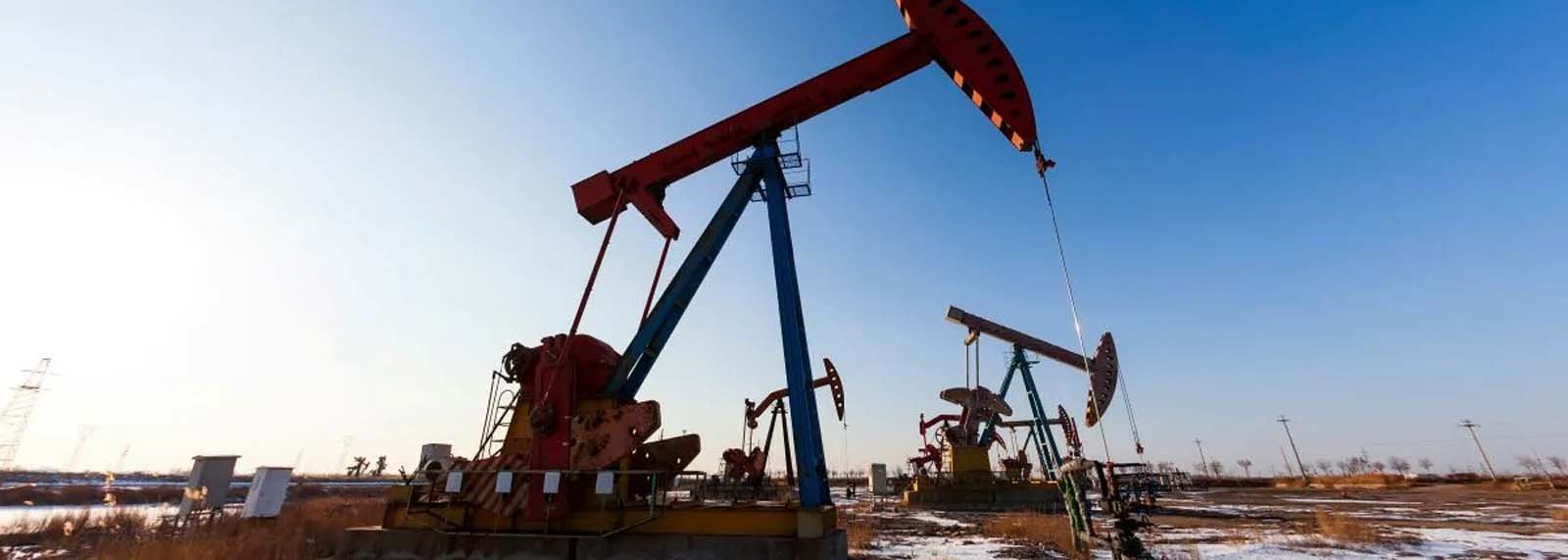
In hydraulic fracturing (fracking) operations, machinery faces the most severe pressure, vibration, and chemical aggressiveness regimes in the energy sector. Productivity in unconventional reservoirs relies on the uninterrupted operation of high-pressure pumping fleets (frac spreads), wellheads (frac trees), distribution manifolds (missiles), and gate valves. In this environment, where pressures exceed 10,000 psi and fluids carry abrasive sands, specialized industrial grease serves as the critical barrier preventing unexpected downtime and high-risk leaks.
Precise lubricant and sealant selection ensures the operational integrity of components in direct contact with stimulation fluids.
Critical Operational Challenges in Fracking
Continuous field operations expose equipment to accelerated failure mechanisms:
- Extreme Hydraulic Pressures and Cyclic Loads: Fracturing pumps (plungers and power-end bearings) operate under continuous pulsating loads. The lubricating film must withstand massive contact pressures without displacing or thinning out.
- Proppant Abrasion: Mixtures of water with silica sand or ceramic proppants are highly abrasive. Seals and packings in gate valves and mud pumps require greases that act as an active hermetic seal to prevent solid particle ingress.
- Chemical Attack and Solvents: Frac fluids contain gels, friction reducers, acids, and biocides. Conventional greases wash out, dissolve, or lose their colloidal structure upon contact with these compounds and hydrocarbons.
- Continuous Vibration and Thermal Stress: High-horsepower diesel engines and power ends generate frictional heat and high-frequency vibrations that cause generic lubricants to shear and bleed off.
Lubrication and Sealing Technologies for Unconventional Wells
The demands of modern fracturing require synthetic lubricants and advanced engineered thickeners:
- Hydrocarbon-Resistant Valve Greases and Compounds: Formulations based on synthetic polymers insoluble in water, natural gas, condensates, and crude oil. They provide a positive seal on valve gates, preventing the bypass of pressurized fluid and protecting metal faces against abrasive washout.
- Calcium Sulfonate Complex Greases: Ideal for plunger pump power and fluid ends. They offer inherent Extreme Pressure (EP) capabilities without corrosive additives, alongside superior resistance to galvanic corrosion caused by brines and produced water.
- High Shear-Stability Thickeners: Engineered to maintain consistency grade under the continuous mechanical vibrations of triplex and quintuplex pumps, preventing hardening in automated injection lines.
Strategic Impact on Reservoir Profitability
Using premium-grade lubricants delivers quantifiable benefits for pumping operators and oilfield service companies:
- Extended Valve and Seat Life: Reduces the rebuild frequency of wellhead components across fracturing stages.
- Continuous Multi-Stage Operations: Enables completion of multi-stage stimulation sequences without interruptions for emergency maintenance on plunger packings.
- Operational and Environmental Safety: Reliable sealing drastically lowers the risk of high-pressure fluid leaks on site, protecting both personnel and the environment.
A technical lubrication strategy tailored to fluid chemistry and injection pressures is essential to maximize effective pumping uptime and drive profitability on every drilled well.